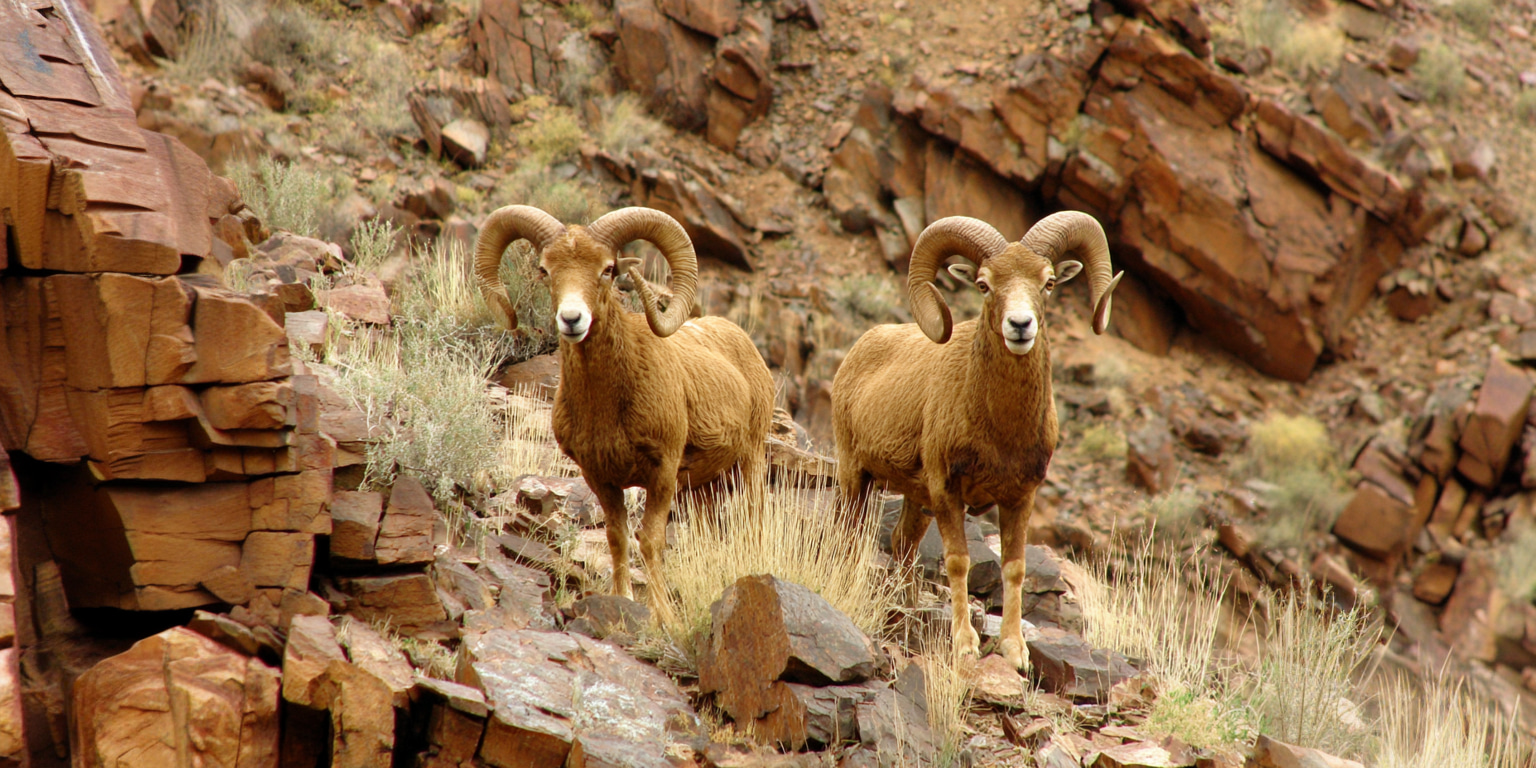
The Argali sheep stands as the world’s largest wild sheep species, commanding attention across the vast expanses of the Gobi Desert with its imposing size and spectacular spiral horns. This remarkable ungulate has adapted to thrive in Mongolia’s most challenging environments, making the Argali sheep Gobi population a crown jewel of Central Asian wildlife. The sheer majesty of mature Argali rams with their massive curling horns represents one of nature’s most impressive displays of evolutionary adaptation and survival.
What is an Argali Sheep?
The Argali sheep (Ovis ammon), known locally in Mongolia as “argal,” represents the largest species within the wild sheep family Caprinae. These magnificent animals display dramatic sexual dimorphism, with adult male Argali significantly outweighing females. Mature Argali rams in the Gobi Desert can reach weights between 90 and 180 kilograms, while females typically weigh 50 to 90 kilograms. The size variation among Argali sheep populations depends partly on subspecies and habitat quality, with Gobi Argali representing one of several recognized subspecies across Central Asia.
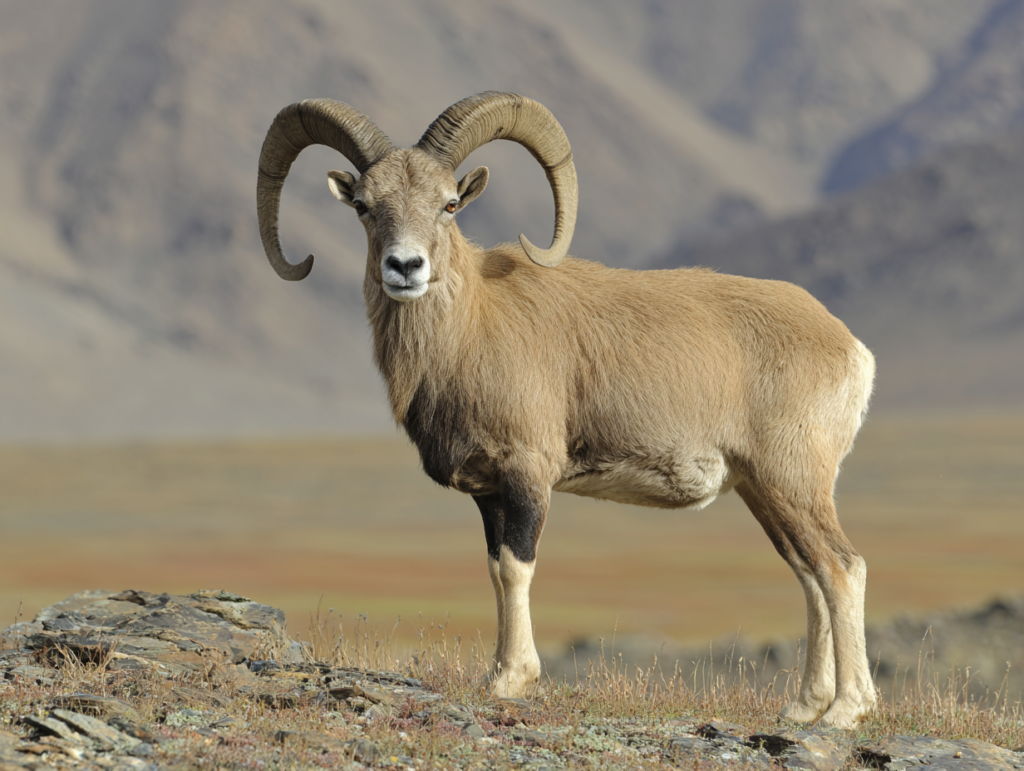
The most distinctive feature of Argali sheep is undoubtedly the enormous horns carried by males. These impressive structures spiral outward and backward in a graceful curve that can span more than 190 centimeters when measured along the outer curve. The horns of record-class Argali rams may weigh over 23 kilograms combined, representing one of the heaviest horn sets among all wild sheep species worldwide. Female Argali possess much smaller, slightly curved horns that rarely exceed 30 centimeters in length.
The body structure of Argali sheep reflects their adaptation to open terrain and mountainous landscapes. Long, sturdy legs enable these wild sheep to cover vast distances across the Gobi Desert while foraging and to navigate steep slopes when necessary. The Argali pelage varies seasonally, with summer coats appearing relatively short and light brown to grayish-brown in color. Winter brings dramatic coat changes, as Argali sheep develop thick, woolly undercoats covered by longer guard hairs that provide insulation against the Gobi’s brutal cold.
Argali sheep display distinctive white or light-colored patches on their rump, belly, and legs that create striking contrast against their darker body coloration. The face of mature Argali rams often appears lighter than the body, sometimes nearly white in older individuals. A prominent dark dorsal stripe runs along the spine of many Argali, adding to their distinctive appearance. These color patterns help wildlife observers identify Argali sheep from considerable distances across the open Gobi landscape.
The physical proportions of Argali sheep convey power and endurance, with deep chests housing large lungs adapted for high-altitude environments and muscular hindquarters providing explosive speed when escaping predators. Adult Argali stand approximately 110 to 125 centimeters tall at the shoulder, making them substantially larger than domestic sheep and most other wild sheep species. This impressive size offers advantages in the harsh Gobi environment but also increases nutritional requirements and makes Argali more conspicuous to predators.
Argali Sheep Habitat in the Gobi Desert
The Gobi Desert provides extensive habitat for Argali sheep populations across Mongolia and northern China. Unlike animals requiring dense vegetation cover, Argali sheep thrive in open terrain where their exceptional eyesight and running ability provide primary defenses against predators. The typical Argali habitat in the Gobi consists of rolling hills, mountain slopes, plateaus, and valleys where vegetation grows sparsely but supports the grazing needs of these large herbivores.
Argali sheep demonstrate remarkable habitat flexibility across elevation gradients, occupying areas from approximately 1,000 meters to over 5,000 meters above sea level in some mountain ranges. Within the Gobi Desert region, Argali populations concentrate in areas offering the optimal combination of forage availability, water access, and terrain suitable for detecting and escaping from predators. The transitional zones between mountains and desert basins provide particularly important Argali habitat, supporting some of the highest population densities in Mongolia.
The Gobi Gurvan Saikhan National Park protects critical Argali sheep habitat in southern Mongolia, with populations utilizing both mountainous areas and adjacent rolling terrain. The Altai Mountains of western Mongolia support substantial Argali populations, with these wild sheep ranging across some of the most spectacular wilderness landscapes in Central Asia. The Great Gobi Strictly Protected Area, encompassing vast stretches of southwestern Mongolia, provides refuge for Argali herds that migrate seasonally across enormous territories.
Seasonal habitat use by Argali sheep follows predictable patterns driven by vegetation phenology, weather conditions, and reproductive cycles. During summer months, Gobi Argali typically occupy higher elevations and northern-facing slopes where vegetation remains relatively green and temperatures stay moderate. Alpine meadows and subalpine zones provide optimal summer habitat for Argali herds, offering abundant forage and escape terrain. As autumn progresses, Argali sheep begin moving toward lower elevations and southern exposures where snow accumulation remains minimal during winter.
Winter habitat selection by Argali in the Gobi focuses on wind-swept ridges and south-facing slopes where snow cover stays shallow and dried vegetation remains accessible. The ability of Argali sheep to survive winter in the Gobi depends heavily on finding areas where they can efficiently access forage without expending excessive energy breaking through deep snow. Rocky outcrops and cliff faces provide shelter from harsh winds, creating microhabitats that Argali utilize during the most severe weather.
Water availability influences Argali distribution patterns across the Gobi, particularly during hot summer months when these large-bodied sheep require regular drinking. Natural springs, seasonal streams, and artificial water sources installed for livestock all attract Argali herds. However, Argali sheep demonstrate considerable drought tolerance, obtaining moisture from vegetation and capable of traveling long distances between water sources when necessary.
Argali Sheep Diet and Feeding Ecology
The Argali sheep functions as a grazing specialist, consuming primarily grasses and grass-like plants that dominate many Gobi Desert habitats. As herbivores with high nutritional demands due to their large body size, Argali sheep must spend substantial portions of each day foraging to meet energy requirements. The diet composition of Gobi Argali varies seasonally based on plant availability, with these adaptable feeders shifting consumption patterns as different vegetation becomes available throughout the year.
During the brief but productive growing season following spring rains, Argali sheep focus heavily on fresh green grasses and forbs that provide maximum nutrition. The ephemeral vegetation that appears across the Gobi after precipitation represents crucial forage resources for Argali populations, allowing these wild sheep to build body condition before the harsh winter. Preferred forage species include various grasses from genera such as Stipa, Agropyron, and Festuca, along with numerous forb species that add dietary diversity.
Summer feeding patterns of Argali sheep involve extensive daily movements across their home ranges to locate the most nutritious vegetation. A typical Argali herd may travel 5 to 15 kilometers daily while foraging, utilizing different aspects and elevations to find optimal forage. Early morning and late afternoon represent peak feeding periods for Gobi Argali, with midday hours spent resting and ruminating in sheltered locations. This activity pattern helps Argali minimize heat stress during summer while maximizing foraging efficiency.
Winter presents severe feeding challenges for Argali sheep in the Gobi Desert as vegetation becomes dormant and snow may cover available forage. The winter diet of Argali consists primarily of dried grasses, sedges, and browse from low shrubs when accessible. Argali sheep use their hooves to dig through moderate snow depths to reach buried vegetation, though deep snow significantly reduces foraging efficiency. The nutritional quality of winter forage in the Gobi remains relatively poor, forcing Argali to consume large quantities to maintain body condition.
The digestive physiology of Argali sheep features a complex rumen system that enables efficient processing of fibrous plant material typical of arid environments. As ruminants, Argali sheep chew cud during resting periods, breaking down tough vegetation through microbial fermentation. This digestive strategy allows Argali to extract maximum nutrition from the often poor-quality forage available across much of their Gobi Desert range. The ability to thrive on relatively sparse vegetation represents a crucial adaptation enabling Argali populations to persist in these harsh environments.
Competition for forage between Argali sheep and domestic livestock represents an increasing concern across the Gobi region. The extensive grazing by domestic sheep and goats reduces available vegetation for wild Argali, particularly in areas where livestock numbers exceed the land’s carrying capacity. Overgrazing by livestock can degrade Argali habitat, eliminating preferred forage species and increasing erosion that further reduces vegetation productivity. Conservation programs increasingly recognize that managing livestock grazing pressure is essential for maintaining healthy Argali populations.
Social Structure and Behavior of Argali Sheep
Argali sheep exhibit complex social organization that varies by season, sex, and age. For most of the year, adult male Argali form bachelor groups separate from female herds, with these all-male bands typically numbering from 3 to 20 individuals. The bachelor groups of Argali rams often remain in more exposed, open terrain where their size and horns provide advantages in detecting and deterring predators. Dominance hierarchies within male groups are established through horn clashes and displays, with age and horn size determining social rank.
Female Argali sheep and their offspring form maternal herds that serve as the basic social unit for much of the year. These nursery groups typically contain 5 to 30 animals but may aggregate into larger assemblages exceeding 100 individuals in areas with abundant resources. The social bonds within female Argali herds provide multiple benefits including enhanced predator detection, cooperative lamb rearing, and information sharing about resource locations. Experienced older ewes typically lead movements of Argali herds, drawing on their knowledge of traditional migration routes and seasonal ranges.
The vigilance behavior of Argali sheep reflects constant awareness of predation risk despite their large size and open habitat preferences. Argali herds maintain spacing that allows all individuals to monitor surroundings while feeding, with at least some animals typically alert and scanning for threats. When danger appears, Argali communicate alarm through body postures, snorting vocalizations, and rapid running that alerts other herd members. The alarm system of Argali herds functions effectively to warn of approaching predators, giving the group time to flee.
Daily activity patterns of Argali sheep include extended resting and rumination periods between feeding bouts. Rest sites selected by Argali typically offer good visibility across surrounding terrain, allowing the sheep to detect approaching threats while digesting food. During hot summer days, Argali often seek shade beneath rock overhangs or in gullies during midday hours, resuming active feeding only as temperatures moderate in late afternoon. Winter activity patterns shift toward increased feeding time as Argali must process larger quantities of lower-quality forage to meet nutritional needs.
The home range size of Argali sheep in the Gobi Desert varies considerably based on habitat quality and seasonal movements. Some Argali populations remain relatively sedentary, occupying home ranges of 20 to 50 square kilometers year-round where resources remain adequate. Other Argali herds migrate seasonally across distances exceeding 100 kilometers between summer and winter ranges, following traditional routes passed down through generations. These migration patterns reflect the patchy distribution of resources across the Gobi landscape and the need to track vegetation phenology across elevation gradients.
Argali Sheep Breeding Season and Reproduction
The breeding season for Argali sheep in the Gobi Desert occurs during late autumn and early winter, typically from November through December. This timing ensures that lambs are born in late spring when weather moderates and vegetation begins growing, providing optimal conditions for newborn survival and maternal nutrition. The rut transforms the behavior of male Argali dramatically as bachelor groups dissolve and mature rams seek out female herds to compete for breeding opportunities.
Dominant male Argali establish temporary breeding territories centered on female groups during the rut, defending their access to receptive ewes against rival males. The competition between Argali rams involves spectacular displays and violent combat that tests the strength and determination of competing males. Rivals approach each other, rear up on hind legs, and crash together with tremendous force, their massive horns absorbing impacts that would seriously injure animals lacking such protection. These horn clashes between Argali rams produce loud cracking sounds audible from great distances across the Gobi, advertising the intensity of reproductive competition.
The fighting strategy of male Argali emphasizes endurance over quick resolution, with breeding contests sometimes lasting for hours as rivals repeatedly clash and circle each other. Horn size correlates strongly with fighting success among Argali rams, as larger horns deliver more powerful blows and provide superior defense. The energetic costs of rutting activity are substantial, with dominant Argali males losing significant body condition during the breeding season as they minimize feeding to focus on securing mating opportunities.
Female Argali sheep reach sexual maturity at approximately two years of age, though many don’t breed successfully until their third year. Male Argali mature physically later, typically not competing effectively for breeding until five to seven years old when their horns and body mass reach competitive sizes. The gestation period for Argali sheep lasts approximately 160 days, with most Gobi populations giving birth in May and June. Female Argali typically produce single lambs, though twins occur occasionally in populations with access to high-quality nutrition.
Newborn Argali lambs demonstrate remarkable precociousness, standing and nursing within hours of birth and following their mothers across steep terrain within days. The growth rate of Argali lambs during their first summer is rapid, as young sheep must reach substantial size before facing their first winter. Female Argali are attentive mothers, nursing lambs for three to four months while teaching them essential survival skills including predator recognition and optimal foraging strategies. Maternal investment extends beyond weaning, with young Argali remaining closely associated with their mothers through their first year.
Lamb survival rates in Argali populations vary considerably based on environmental conditions and predation pressure. Harsh weather during the birth season, particularly late spring snowstorms, can cause significant lamb mortality. Predation on young Argali by wolves, snow leopards, and eagles represents another major source of mortality. Despite these challenges, Argali populations in the Gobi generally maintain adequate reproduction rates to sustain stable or growing populations under favorable management conditions.
Predators and Survival Challenges
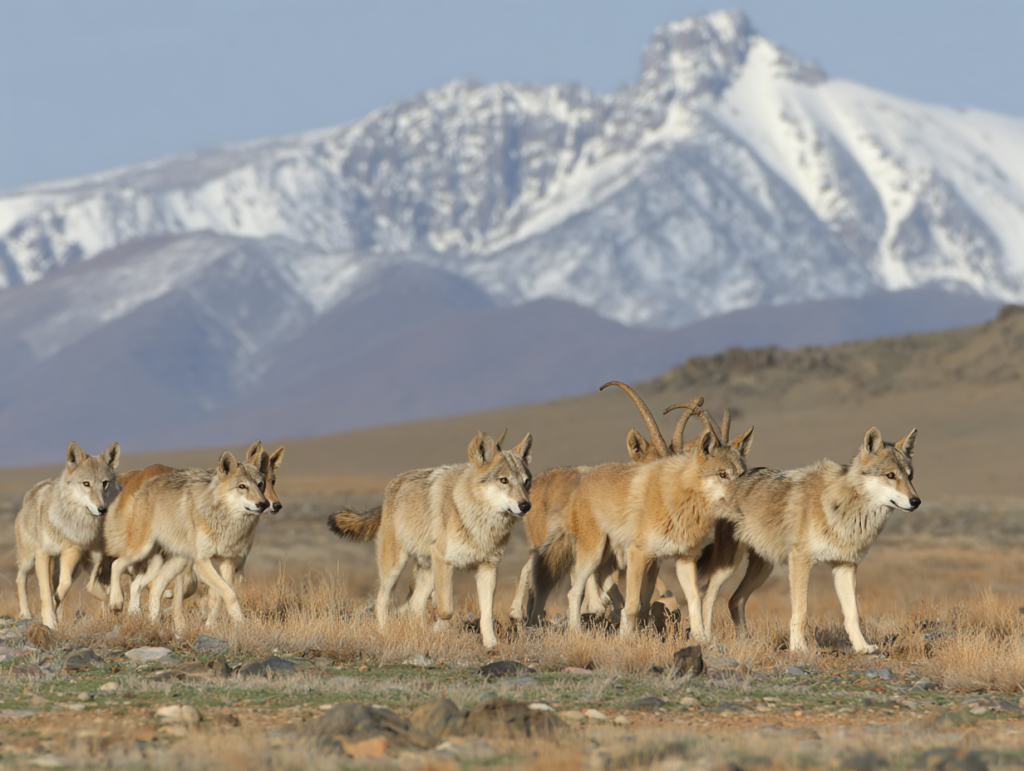
The Argali sheep faces predation from several carnivore species within the Gobi Desert ecosystem, with wolves representing the most significant threat throughout most of their range. Wolf packs hunt Argali cooperatively, with coordinated attacks enabling these predators to bring down even large adult rams. The open terrain preferred by Argali provides some advantages for detecting approaching wolves, but successful hunts occur regularly as wolf packs employ sophisticated hunting strategies. Winter conditions increase Argali vulnerability to wolf predation as deep snow hampers the sheep’s mobility while wolves travel more efficiently.
Snow leopards prey on Argali sheep in mountainous areas where the ranges of these species overlap. These solitary cats stalk Argali using terrain and vegetation for concealment before launching explosive ambush attacks. The powerful build of snow leopards enables them to kill adult Argali, though these predators more commonly target younger or weakened individuals. The relationship between snow leopards and Argali influences the habitat use and vigilance behavior of both species across the Gobi’s mountain ranges.
Golden eagles occasionally prey on young Argali lambs, particularly during the first weeks after birth when lambs remain relatively small and inexperienced. These aerial predators dive from great heights to strike young sheep, relying on surprise and powerful talons to subdue prey. Lynx and foxes may also opportunistically prey on newborn Argali lambs, though these smaller predators cannot threaten healthy adults. The diverse predator community exerts continuous selection pressure on Argali populations, favoring vigilant animals with strong flight responses.
Beyond predation, Argali sheep in the Gobi Desert face numerous environmental challenges that test their survival adaptations. Winter conditions represent the most critical period for Argali, with brutal cold, limited food availability, and potential snow cover combining to create harsh circumstances. Deep snow events that exceed 30 centimeters depth significantly impair Argali foraging efficiency, forcing these large sheep to expend substantial energy accessing buried vegetation. Prolonged severe winters cause mortality through starvation and cold stress, particularly affecting young, old, and pregnant individuals.
Disease represents an often underappreciated threat to Argali populations, with various pathogens capable of causing mortality or reducing fitness. Pneumonia and other respiratory infections pose risks to Argali herds, especially when animals are stressed by poor nutrition or harsh weather. Parasites including various internal worms and external ticks affect Argali health, with heavy parasite loads potentially debilitating infected animals. Disease transmission between domestic livestock and wild Argali remains a conservation concern, as novel pathogens from livestock could devastate naïve Argali populations.
Conservation Status and Threats
The Argali sheep holds a conservation status of Near Threatened globally according to international assessments, reflecting population declines across portions of the species’ range and ongoing threats to remaining populations. However, the conservation situation varies considerably among different Argali subspecies and populations. Gobi Desert Argali populations in Mongolia remain relatively healthy compared to some other regions, though these populations still require active conservation management to ensure long-term viability.
Hunting pressure represents one of the most significant threats to Argali sheep populations across their range. The impressive horns of mature Argali rams make them highly desirable trophies for sport hunters, creating economic incentives for both legal and illegal harvest. Mongolia permits limited trophy hunting of Argali under government quota systems designed to generate conservation funding while allowing sustainable use. When properly regulated and enforced, sport hunting programs can benefit Argali conservation by providing economic value to communities living near these wild sheep. However, illegal poaching of Argali continues in some areas, driven by demand for horns in traditional medicine markets and as trophies.
Habitat loss and degradation threaten Argali populations as human activities expand across the Gobi Desert region. Mining operations, infrastructure development, and expanding settlements reduce available Argali habitat while creating barriers to traditional movement patterns. The fragmentation of Argali habitat isolates populations, reducing genetic diversity and making herds more vulnerable to local extinctions. Roads and fencing associated with development can restrict Argali movements between seasonal ranges, preventing access to critical resources.
Competition with domestic livestock for forage and water represents an escalating challenge for Argali conservation in the Gobi. The number of domestic sheep and goats grazing across Mongolia has increased substantially in recent decades, with these livestock utilizing many of the same habitats as wild Argali. Heavy livestock grazing can degrade vegetation communities, reducing forage quality and quantity for wild sheep. Competition is particularly intense during winter and drought periods when forage becomes scarce across the landscape.
Protected areas provide crucial refuges for Argali populations across the Gobi Desert, with national parks and nature reserves restricting hunting and limiting habitat disturbance. The expansion and effective management of protected area networks represents a cornerstone of Argali conservation strategy in Mongolia. However, protected areas alone cannot ensure Argali survival, as these wild sheep require vast landscapes that extend beyond reserve boundaries. Effective Argali conservation requires landscape-level approaches that maintain habitat connectivity and manage human activities across entire ecosystems.
Community-based conservation programs engage local herders and communities in protecting Argali populations while addressing the livelihood needs of rural people. These initiatives recognize that conservation success depends on building local support and providing tangible benefits from wildlife. Some programs share revenue from sport hunting with communities that protect Argali habitat, creating economic incentives for conservation. Other approaches focus on reducing livestock-Argali competition through improved grazing management and establishing wildlife-friendly practices.
Observing Argali Sheep in the Gobi Desert
Wildlife enthusiasts visiting the Gobi Desert have opportunities to observe Argali sheep in their natural habitat, though sightings require patience, good planning, and often considerable luck. The vast open landscapes inhabited by Argali mean these animals can be spotted from great distances, but locating herds across millions of hectares of potential habitat presents obvious challenges. The best viewing opportunities occur during autumn when Argali congregate for the breeding season and males become less wary due to rutting behavior.
Several protected areas in Mongolia offer accessible Argali habitat where visitors may encounter these magnificent wild sheep. The Gobi Gurvan Saikhan National Park provides infrastructure for visitors while protecting important Argali populations. The Altai Tavan Bogd National Park in western Mongolia’s Altai Mountains offers spectacular scenery along with opportunities to observe Argali in alpine settings. Tour operators specializing in Gobi wildlife expeditions employ experienced guides familiar with Argali distribution and behavior, significantly improving chances of successful sightings.
Tips for spotting Argali sheep in the Gobi:
- Scan distant hillsides and ridgelines systematically using quality binoculars or spotting scopes
- Focus searches on rolling terrain and mountain foothills at dawn and dusk
- Look for movement and the distinctive silhouettes of large horned sheep
- Visit during October and November to observe breeding behavior and maximize sighting opportunities
- Hire local guides with intimate knowledge of Argali movements and preferred habitats
Photographing Argali sheep requires telephoto lenses of 400mm or longer focal length, as these wary animals typically maintain considerable distance from humans. The wariness of Argali presents challenges for close photography, requiring photographers to use terrain and patient approaches to get within reasonable range. The dramatic Gobi landscapes provide stunning backdrops for Argali images, with golden hour lighting especially favorable for capturing these magnificent animals against expansive wilderness vistas.
Observing Argali sheep demands physical preparation as viewing locations often involve driving across rough terrain followed by hiking across rugged landscapes. The elevation and exposure typical of Argali habitat require appropriate clothing and equipment to handle temperature extremes and unpredictable weather. Despite the challenges, successfully observing wild Argali rams with their massive spiraling horns ranks among the most memorable wildlife experiences available in Central Asia.
Cultural and Economic Significance
The Argali sheep holds deep cultural significance for people of the Gobi Desert region, featuring prominently in traditional practices, folklore, and artistic expressions. Ancient rock art throughout Mongolia depicts Argali, demonstrating the long relationship between these wild sheep and human cultures across Central Asia. The hunting of Argali required skill and endurance in traditional societies, with successful hunters earning respect and providing valuable meat and hides for their communities.
Modern Mongolia continues to value Argali as both a cultural icon and an economic resource. Trophy hunting programs generate substantial revenue, with wealthy international hunters paying tens of thousands of dollars for permits to hunt record-class Argali rams. This income supports conservation programs, benefits local communities, and provides economic justification for maintaining Argali habitat. The careful management of hunting quotas attempts to balance economic benefits with conservation needs, though debates continue regarding optimal sustainable harvest levels.
The Future of Argali Sheep in the Gobi
Ensuring the long-term survival of Argali sheep in the Gobi Desert requires addressing multiple conservation challenges through coordinated management approaches. Maintaining large, connected landscapes where Argali can migrate freely between seasonal ranges represents a fundamental conservation priority. Effective regulation of hunting combined with enforcement against poaching will determine whether impressive trophy rams continue to roam the Gobi. Managing livestock grazing to reduce competition with Argali while supporting pastoral livelihoods demands innovative solutions that benefit both wildlife and people.
Climate change adds uncertainty to Argali conservation as shifting precipitation patterns and increasing temperatures alter vegetation communities across the Gobi. The resilience of Argali populations to these environmental changes remains unclear, highlighting the need for adaptive management approaches that respond to monitoring data. International cooperation enhances Argali conservation as populations span national boundaries, requiring coordinated policies among Mongolia, China, and other range countries.
The Argali sheep of the Gobi Desert represents a testament to evolutionary adaptation and the grandeur of Central Asian wildlife. These magnificent animals, with their massive spiraling horns and powerful builds, embody the wild spirit of the Gobi’s vast landscapes. Protecting Argali populations preserves not only an iconic species but also the ecological integrity and cultural heritage of one of Earth’s great wilderness regions. Every Argali herd grazing across the Gobi’s rolling hills connects us to ancient ecosystems and reminds us of our responsibility to ensure these remarkable wild sheep continue thriving for future generations to witness and appreciate.
Leave a Reply